 |
|
|
|
|
|
|
Heathkit SB220 refurbishing |
|
|
|
We as PA6Z group do not own general amplifiers, so each amplifier we use is a private procession. |
|
|
||||||||||||||||||||||||
|
|
|
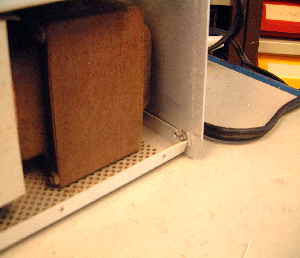
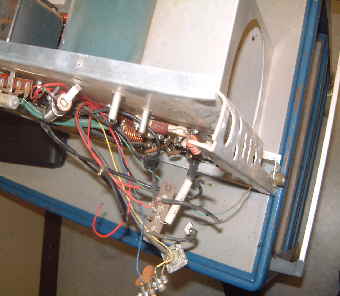
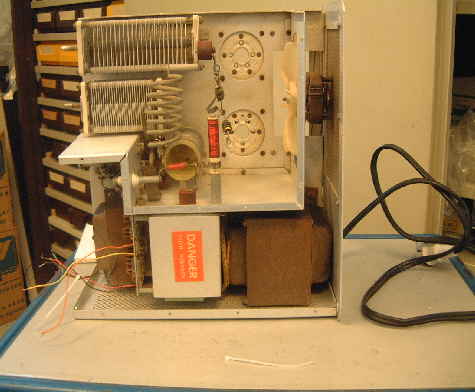
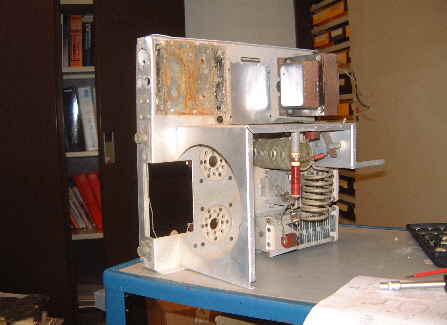
The long term storage in a sea container…and the humid conditions in the Caribbean took her toll as well. |
|
|
|
|
|
|
|
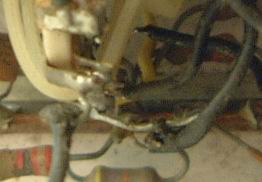
One of the main reasons to strip the wiring as well was given by the fact that the builder those days used small
soldering-iron… something like 15 or 20 Watts and all thick wires had poor … cold soldering points. |
|
|
|
|
|
|
||
 |
|||||||
|
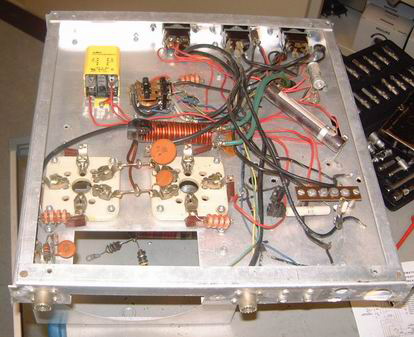
This how she looked before, most of the previous wiring intact. |
|||||||
 |
|||||||
|
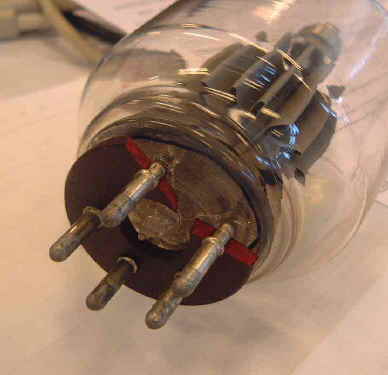
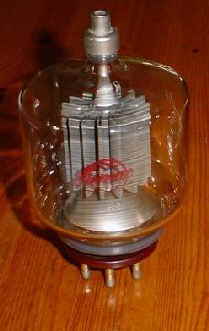
We also tested the Eimac 3-500z tube's… one of them had some suspicious marks. Hi But both tubes seems to be okay… tested by PA5R in his SB1000, the only thing he found was a big difference on 10M the load and plate tuning was completely different. |
|||||||
|
|
||||||||||||||||||||||||||||||||
|
|
|
|
|
||||||||||||||||||||||||||||||||
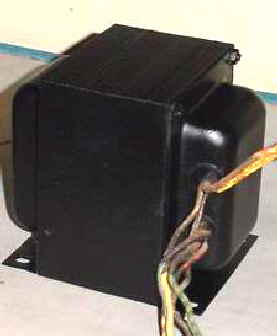
|
|
|
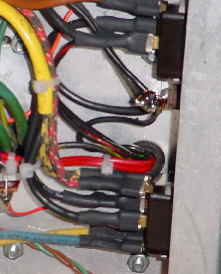
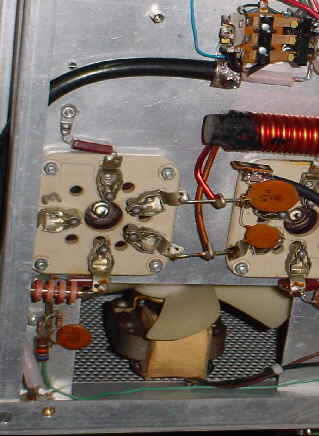
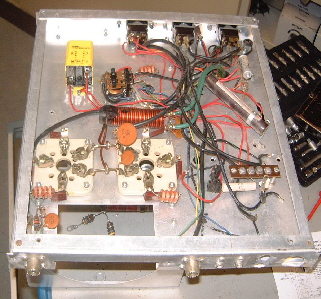
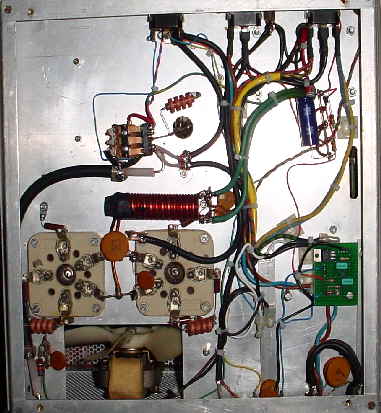
Gradually I started the rebuild and assembly. All the wiring was brought back to almost the original state.
Partially I had to replaced wiring due to the poor condition. |
|
|
|
||||||||||||||||||||
|
|
||||||||||||||||||||
|
|
|
|
|
So after many long hours I finally managed to complete the assembly, now the real challenge began, adding the juice…. I started with a variac transformer… in that way I had control over the main voltage… gradually I increased the mains from zero to about 50 Volts… in the mean while I closely monitored the filament voltage… just to be sure I wirierd the transformer okay. Al seem to be okay. I knew that the rectifying capacitors may go wrong because this is the first time they become charged after a long period… so gradually I increased the voltage up to 230 Volt. Filament voltage without the two tubes showed 5,25 Volt… and the HV meter showed 2800 Volt. That was promising.. sure… now the same challenge with the two 3-500Z's installed, as I increased the voltage the
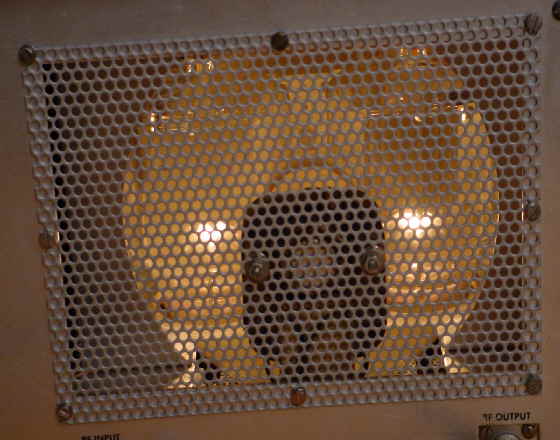
fan began to spin and the two tubes glow… still monitoring the filament voltage… at 230 Volt mains I measured 4,90 Volt… beautiful. I kept here on the mains for about two hours, HV showed 2700 Volts.. Switched of
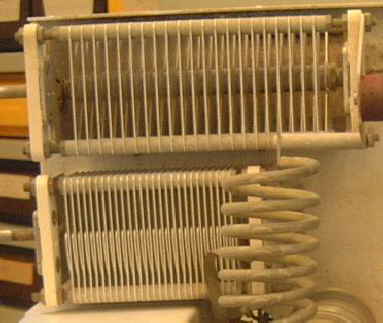
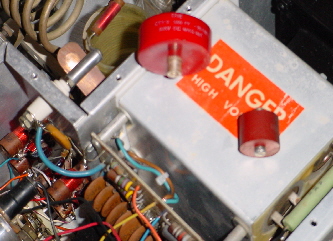
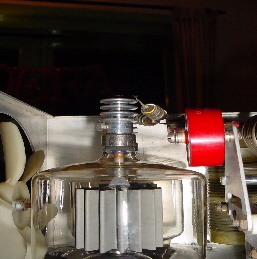
the mains and it took 30 or more seconds before the capacitors where fully discharged. That gave me the impression that the old capacitors where still functional. After tuning I become high SWR in the input … Mmmmm what did I wrong… simple I wrongly connected the TX – RX relay.. just swap the two connections cured the problem. I managed to become about 1 Kw on the low bands up to 15M 10 meter was a problem again SWR problems little to high for the 850.. Had to remove the front panel and trim the input coil… SWR now from 1:3 to 1:1.8 much better.. While testing I noticed some sparking between the tuning capacitor… Mmmm bad sign the anode capacitor 1nF 6KV was leaking… and it damaged the RF output choke…. That explain the sparking… Replaced the anode capacitor 1,5nF at 25KV.. but a little to large… had to modify the bracket… |
|
|
|
|
|
|
|
|
|
|
|
|
 |
|||||||||||
|
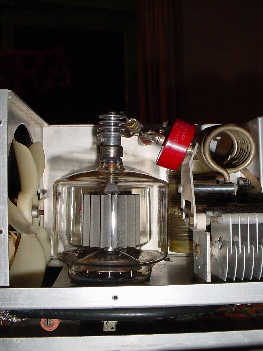
See the difference in size |
|||||||||||
 |
|||||||||||
 |
|||||||||||
|
Little to close to the tube, see my last minute modification, bending the bracket plate. |
|||||||||||
 |
|||||||||||
|
|
|
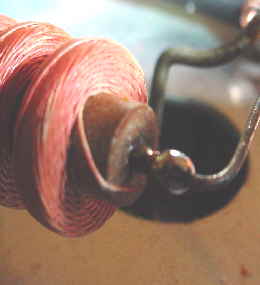
The repaired RF choke |
|
|
|
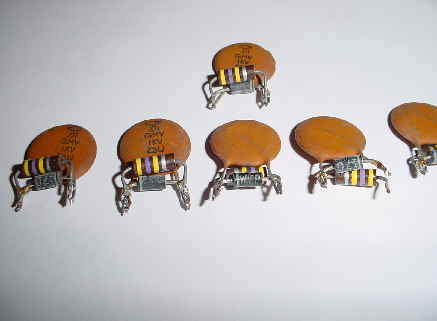
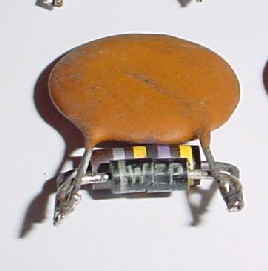
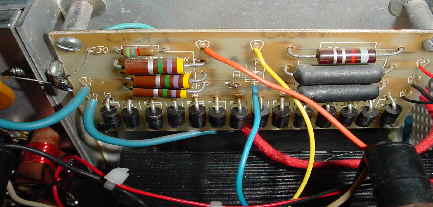
After the replacing the anode capacitor and repairing the RF choke I tested her again, now the output measured varying from 1,1KW down to 900 Watts…. Certainly I noticed some rustle… somewhere at the front.. while tuning again I saw some sparks coming from the rectifier board…. The pictures explain why. |
|
|
||
 |
 |
||
|
|
|
Now I had to remove the front panel again and the rectifier board needed to removed in order to replace all the diode rectifiers. So the 1 ampere diodes where replaced by 3 ampere 1000V PIV ones. At the same time I placed two diodes at the rear of the two panel meters they most likely protect the meters for a reversed current. |
|
|
|
|
|
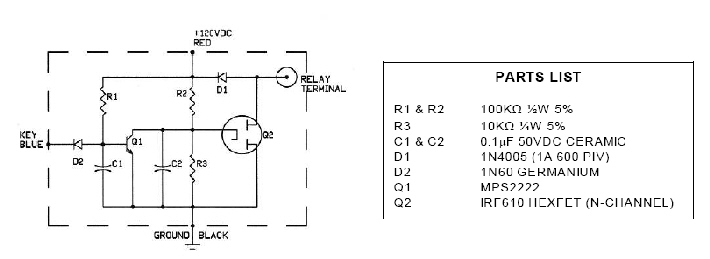
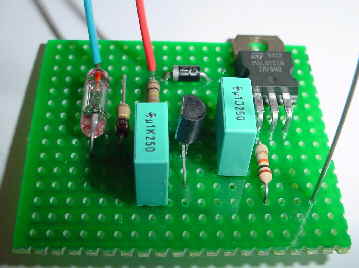
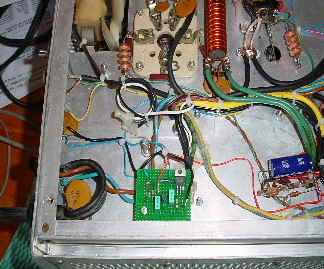
The last few things to do, modify the TX relay control… so I found a nice diagram and build the circuit… works fine with me. |
|
|
|
|
||
 |
|||||
 |
|||||
 |
|||||
|
|
|
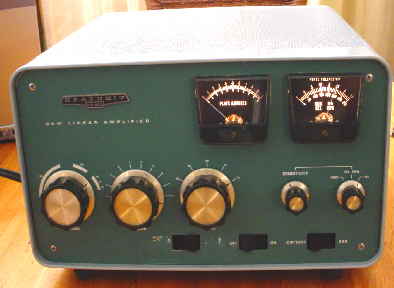
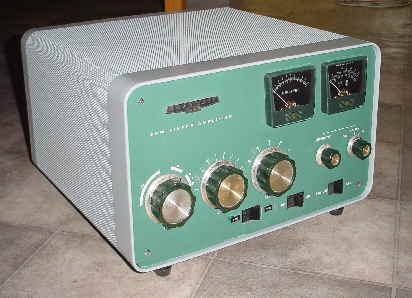
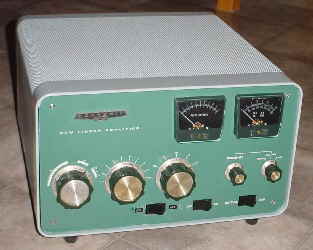
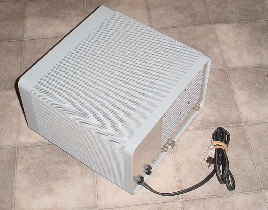
So to complete the refurbishment I need to paint the enclosure, took me some while but I believe I found the correct color
…..
|
|
|
||||||||||||||||||||||||||||||||||||||||||||||||||||
|
|
 |